Land for sale | How much is the land worth and what can be built? | Sherman Real Estate
Description:
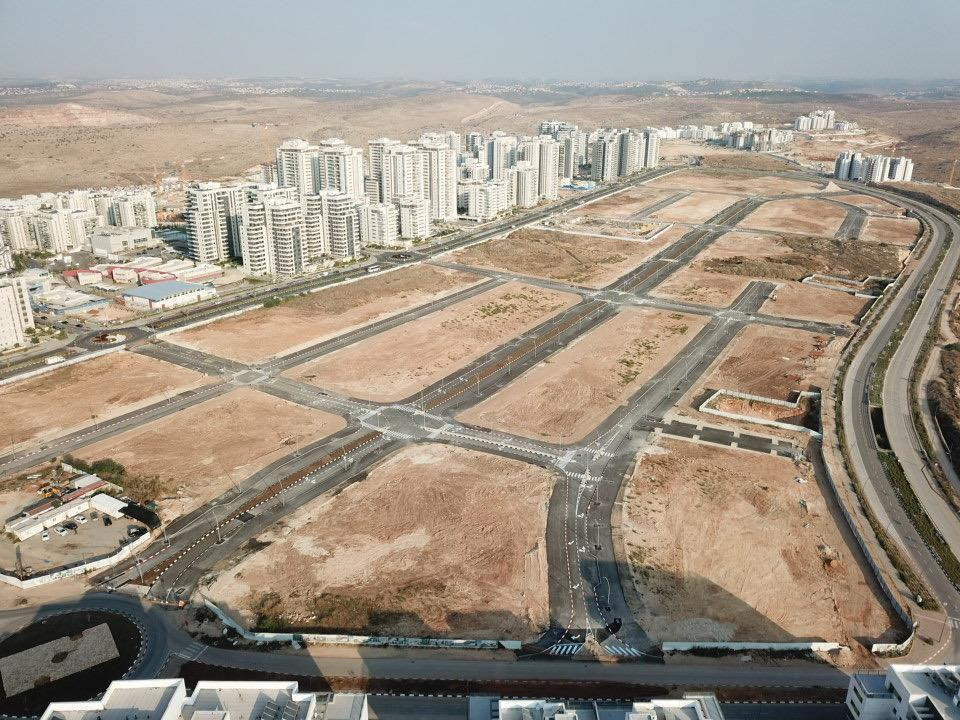
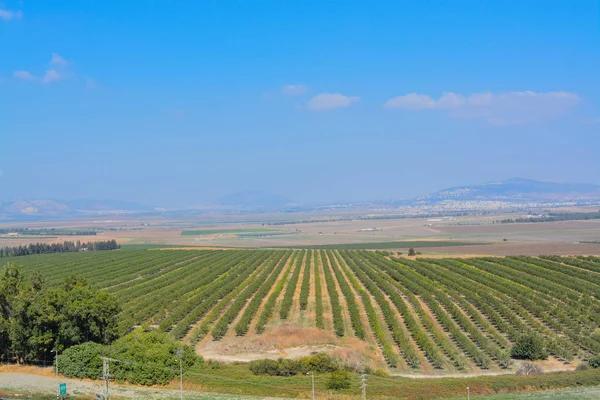
Want to sell land? A quick guide for property owners Where do you start? The key steps to a successful sale • Step 1: Identification and legal and planning review – First of all, we collect the property data: block and plot, taboo wording, confirmation of rights, exact area, location and applicable plans (TABA). Check whether there is joint ownership or special restrictions. • Step 2: Defining the target audience and realistic market value – Understand who the potential buyer is (developer, contractor or investor) and estimate the value of the land based on similar transactions carried out in the area. How is the value of land determined? The price of land is not determined solely by size (meters or acres). The value is directly affected by parameters such as: • Geographic location and accessibility. • Land zoning and existing building rights. • Planning stage and registration status. • Expected levies (such as the improvement levy) and future potential. Important tip: Two plots of the same size can be worth completely different amounts if one is intended for immediate construction and the other is agricultural land without an approved plan. How do you know what can be built on the land? To know what the building options are, you must check the urban plan and plans that apply to the plot. The inspection includes construction percentages and number of permitted floors, main areas and service areas, number of housing units, permitted uses and building lines. On industrial/commercial land, a permit inspection is also carried out for industrial buildings, logistics centers, offices, etc. We inherited land – should we sell it now or wait? The answer depends on the property. Sometimes a family owns land for many years without knowing that the area has undergone a significant planning change that has increased its value. Before selling, it is worth examining the current value of the land, whether there are new building rights or expectations of imminent improvement, and how long it will take to realize the potential, compared to the waiting costs and risks. Is it possible to sell land that has multiple owners? Yes, but it is important to understand who the registered owners are and what the exact share of each is. Selling land in its entirety is often simpler and more attractive to buyers than selling an unspecified portion (in a parcel), but each case is examined on its own merits depending on the ownership structure. What is the difference between land available for construction and land for investment? Land available for construction is land with an approved plan and clear rights that allow for direct progress to the issuance of a building permit. Investment land, on the other hand, is not currently available for construction, but there is an expectation of future planning change. This gap dramatically affects the price, type of buyer, and level of risk. How much is agricultural land worth? The price of agricultural land varies greatly depending on its location and planning status. Agricultural land near a city with future settlement potential will be worth significantly more than remote agricultural land with no prospect of change of use. How do you sell land to a developer? We examine what can be built on the land and present to the developer the potential economic profitability of the project. Proper marketing clearly presents: area, building rights, planned number of units, planning status and asking price. What is a land combination transaction? In a combination transaction, the landowner does not sell the property for cash, but transfers part of the land rights to the developer. In return, he receives part of the future built project (e.g. apartments or commercial space). This is a complex transaction that requires careful legal, planning and tax examination, and it is recommended to carry it out only with the assistance of a lawyer and appropriate experts. Who buys land? Residential land is purchased by contractors, residential developers and purchasing groups; industrial and logistics land by operators, logistics companies, developers and institutional investors; commercial land by development companies and retail chains; and land that is not available for immediate construction is usually purchased by private investors or entities seeking long-term investment. Is it worth publishing the land price publicly? Not always. In complex land or entrepreneurial transactions with special rights, it is sometimes better to conduct the sale discreetly with only relevant buyers and not to publish an open price that could limit negotiations. Looking to buy or sell land? Land marketing requires much more than just a picture and price. It requires a deep understanding of zoning regulations, building rights, taxation, and development potential. At Sherman Real Estate, we will examine your property, prepare a professional marketing plan for it, and present it to the most relevant buyers and developers. Contact us for an initial, no-obligation consultation, based on your area, budget, and goals. Land marketing requires a lot
Details
Contact us about industrial properties, land and commercial real estate
Looking for commercial property?
Leave your details and we will contact you within 24 hours with options tailored to your needs